
Vojvodina vs Ferencvarosi TC prediction, preview and odds

Vojvodina
vs

Ferencvarosi TC
Vojvodina and Ferencvarosi TC meet in the 1st Qualifying Round of the 2026 UEFA Europa League with both sides effectively starting a short, high-stakes European campaign. With competitive domestic form and recent head-to-head data unavailable, the tie will hinge on preparation, squad selection for early-season fixtures and in-game adjustments rather than established seasonal trends. This is a classic qualifying tie where small margins — set pieces, second-leg strategy and early tactical discipline — are likely to decide the outcome.
UEFA Europa League
Vojvodina
Ferencvarosi TC
World

Vojvodina Coach
B. Bandović

Ferencvarosi TC Coach
R. Keane
Venue
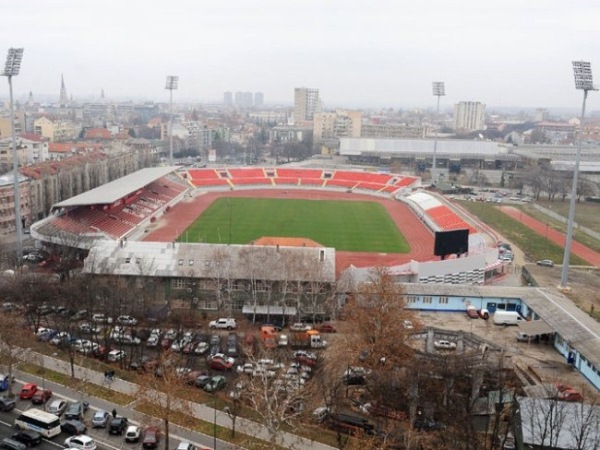
Stadion Karađorđe
Ignjata Pavlasa 8
Overview
Vojvodina and Ferencvarosi TC meet in the 1st Qualifying Round of the 2026 UEFA Europa League with both sides effectively starting a short, high-stakes European campaign. With competitive domestic form and recent head-to-head data unavailable, the tie will hinge on preparation, squad selection for early-season fixtures and in-game adjustments rather than established seasonal trends. This is a classic qualifying tie where small margins — set pieces, second-leg strategy and early tactical discipline — are likely to decide the outcome.
For bettors and analysts the immediate challenge is limited data: neither side has recorded competitive stats in the supplied feed and market prices are unavailable. That elevates the importance of late-available inputs — confirmed lineups, manager team news and travel arrangements — before committing to markets. The Vojvodina vs Ferencvarosi TC prediction therefore rests more on match context and scenario planning than model certainty at this stage.
Expanded context
The fixture arrives at the start of European qualifying when squads are still being finalised and domestic seasons may not yet be underway. That timing creates variability: teams could prioritise early European progress or treat qualifiers as extended preseason. Vojvodina will host the tie, which can be worth a marginal edge given travel and familiarity; Ferencvarosi TC travel demands different preparation. With no reliable recent form, assessing tactical setup and rotation decisions will be decisive — managers often lean toward caution in two-legged qualifying ties, prioritising away goals and managed risks. Because injuries and suspensions are not available, bettors should wait for official team news and market prices before sizing stakes.
Key takeaways
This block gives a quick scan of the most useful context on the current page.
Both teams lack recorded competitive form in the supplied feed, so predictions depend heavily on late information such as lineups and market prices.
Home advantage could matter: early qualifying rounds often reward teams comfortable with local conditions and travel disruption for the visitor.
Tactical caution is common in early qualifiers — expect a measured tempo and emphasis on defensive organisation rather than open attacking football.
With bookmaker prices unavailable, consider monitoring confirmations (lineups, injuries) before placing any structured bets.
Preview
This first-leg qualifier is being played at a moment when season context is thin and team identities may be partly in flux. Vojvodina will rely on home familiarity and early-season sharpness, while Ferencvarosi TC travel with the usual uncertainties of away fixtures: logistics, acclimatisation and manager rotation. Expect managers to prioritise defensive structure early on; the visiting side could look to control possession and probe for set-piece or transition opportunities. Ultimately the match profile points to a cautious, compact contest where decisive moments matter more than sustained dominance.
Team form
The available form data for both clubs is not present in the supplied feed, so direct comparisons of recent competitive results and scoring trends are not possible. In this situation, assessment turns to likely behavioural patterns for early European qualifiers: teams tend to rotate squads, build fitness and prioritise defensive shape over aggressive pressing. Vojvodina as the home side may field a lineup focused on balance and minimising risk, while Ferencvarosi TC may test the hosts with possession and selective forward runs. Because we lack objective recent-match indicators, any view on consistency, attacking output or defensive stability should be treated as provisional until lineups and confirmed minutes are published.
Head-to-head
No head-to-head data is available in the provided dataset, so historical meetings cannot be used reliably to inform a prediction. Even when past encounters exist, the relevance is limited in early qualifying windows because squads and managers can change significantly between seasons. Treat H2H as a secondary factor: if and when a reliable meeting history appears, use it alongside contemporary evidence (current squads, recent friendlies, official lineups) rather than as a standalone guide.
Common questions
Short answers generated from the data currently available on this page.
Who is the favourite to win this tie?
There is no clear favourite from the supplied data; model output shows an even 33/33/33 split and bookmaker prices are unavailable, so wait for markets and lineups.
Is both teams to score a reasonable market here?
Given the typical caution in early qualifiers, both teams to score is uncertain — it depends on confirmed attacking personnel and tactical approach, so defer until lineups are released.
What should I watch for before placing a bet?
Key inputs are confirmed starting XIs, any late injuries or suspensions, the announced manager approach and opening bookmaker odds; these materially change the risk profile.
Main pick
No predictions available — Confidence 33%.
No predictions available — Confidence 33%.
Rationale: The model and supplied dataset do not provide a defensible edge; win probabilities are evenly split at 33% for each outcome and bookmaker prices are not available. With no recent competitive form, injuries, suspensions or head-to-head history in the feed, any pre-market selection would be speculative. For now the prudent stance is to wait for confirmed lineups and opening odds; those inputs should allow a more evidence-based pick and sensible stake sizing. If you must form a view before markets, treat it as low-confidence and size stakes accordingly.
Predicted score: - - -
Status: scheduled
Odds context: No bookmaker prices are available for this match yet, so the read has to lean more on match context and the model signal than on the market.
Bookmakers
Sports Predictions And Analytics